Maintaining High-Traffic Athletic Fields with Synthetic Grass
Learn how to maintain high-traffic synthetic grass athletic fields in Florida for safety and durability. Get expert turf care guidance today.
1/15/20264 min read
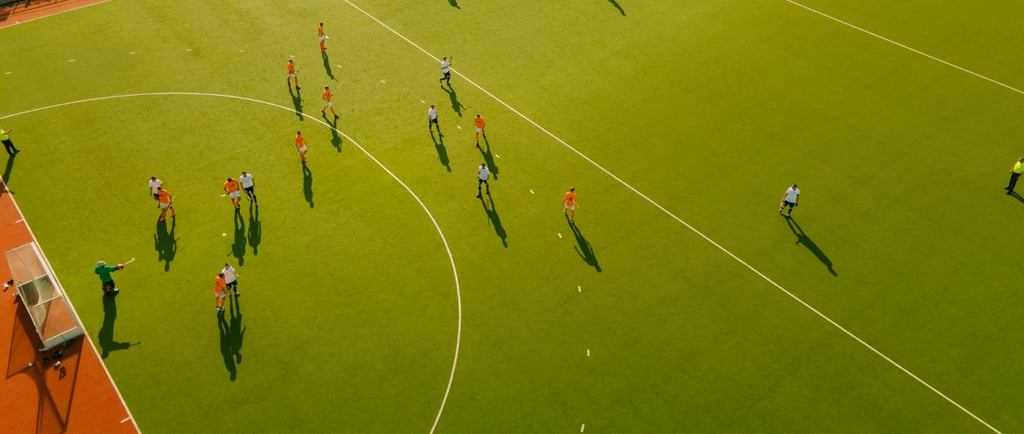
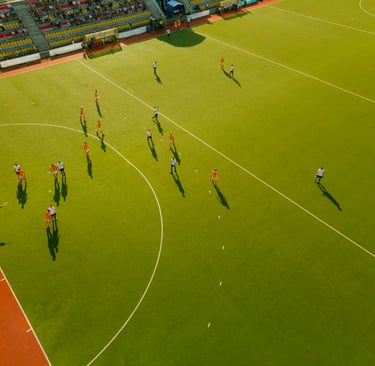
Synthetic grass has become a popular solution for athletic fields across Florida due to its durability, consistent playability, and reduced water use. Schools, sports complexes, and community facilities rely on these surfaces to handle constant use throughout the year. However, while synthetic turf requires less upkeep than natural grass, it is not maintenance-free.
For facilities managing sports field turf maintenance in Florida, understanding proper care practices is essential to preserving performance, safety, and appearance. This article explores proven strategies for maintaining high-traffic athletic fields with synthetic grass, helping facility managers extend their turf lifespan and protect their investment.
Why Maintenance Matters for Synthetic Athletic Fields
Synthetic turf is designed to endure heavy use, but ongoing maintenance is critical to ensure it continues to perform as intended.
Safety and Player Performance
Regular care helps maintain proper traction, shock absorption, and surface consistency. Neglecting maintenance can lead to compacted infill, uneven surfaces, and increased injury risk.
Protecting Long-Term Investment
Athletic fields represent significant financial investment. Routine upkeep reduces premature wear, delays costly replacements, and helps fields meet warranty requirements.
Understanding Wear Patterns on High-Traffic Fields
Not all areas of an athletic field experience the same level of stress.
High-Impact Zones
Goal mouths, midfield areas, and sidelines often see the most foot traffic. These zones are more prone to infill displacement and fiber wear.
Monitoring Usage Levels
Tracking field usage helps maintenance teams identify problem areas early and schedule targeted care before issues spread across the surface.
Field Grooming as a Core Maintenance Practice
Consistent field grooming is one of the most important aspects of synthetic turf care.
Purpose of Grooming
Grooming redistributes infill evenly; lifts turf fibers and maintains a uniform playing surface. This process helps prevent matting and compaction.
Grooming Frequency Guidelines
High-traffic fields may require grooming multiple times per month, depending on usage of intensity and weather conditions.
Managing Infill Levels and Performance
Infill plays a key role in cushioning, stability, and drainage.
Signs of Infill Loss or Compaction
Hard surfaces, visible backing, or inconsistent ball bounce can indicate infill issues. Addressing these signs early protects player safety.
Infill Replacement Strategies
Scheduled infill replacement restores proper depth and performance. Using compatible infill materials ensures the field continues to meet design specifications.
Drainage Solutions for Florida’s Climate
Florida’s heavy rainfall presents unique challenges for athletic field maintenance.
Importance of Proper Drainage
Effective drainage solutions prevent standing water, reduce downtime after storms, and protect the turf base from erosion.
Maintaining Drainage Performance
Regular inspections of drainage systems help ensure water flows as designed, especially after periods of heavy rain or flooding.
Routine Turf Inspection and Assessment
Proactive evaluations are key to long-term turf success.
Identifying Early Warning Signs
A thorough turf inspection can reveal seam separation, infill displacement, or fiber wear before these issues become serious problems.
Scheduling Professional Evaluations
Periodic professional assessments complement in-house maintenance and provide expert insight into field condition and performance.
Seasonal Maintenance Planning
Even in Florida’s warm climate, seasonal changes affect synthetic turf.
Adjusting Care Throughout the Year
Seasonal maintenance may include increased grooming during peak sports seasons or additional inspections after extreme weather events.
Preparing for Heavy Use Periods
Planning maintenance around tournament schedules or school seasons helps ensure fields remain safe and playable when demand is highest.
Installation Quality and Its Impact on Maintenance
The foundation of low-maintenance turf begins with proper installation.
Role of Professional Installation
A qualified artificial grass installation service ensures correct base preparation, grading, and drainage, all of which reduce future maintenance challenges.
Value of Local Expertise
Teams offering Expert West Palm Beach Turf Installation understand regional soil conditions and climate factors that influence turf performance over time.
Multi-Use Facilities and Turf Versatility
Many athletic complexes serve multiple purposes beyond organized sports.
Shared Use Considerations
Fields may be used for community events or adjacent recreational spaces, such as commercial artificial turf for Residential Playgrounds & Backyard areas, increasing overall wear.
Specialty Turf Areas
Facilities may also include specialized surfaces like Artificial Turf or artificial grass Putting Greens, which require tailored maintenance approaches different from athletic fields.
Managing Pets and Public Access
Some community fields allow limited public or pet access.
Impact of Pets on Turf
While not typical for athletic fields, nearby recreational areas may use Artificial Turf For pets. Managing boundaries helps protect athletic surfaces from unnecessary wear.
Cleanliness and Hygiene
Regular cleaning and debris removal support both appearance and hygiene, especially in shared-use environments.
Training Staff and Creating Maintenance Plans
Consistency is essential for effective turf care.
Staff Education and Best Practices
Training maintenance teams on proper equipment use and care techniques reduce the risk of damage and improve results.
Documented Maintenance Schedules
Written maintenance plans help ensure tasks are completed on time and provide records for warranty and compliance purposes.
Conclusion
Maintaining high-traffic athletic fields with synthetic grass requires a proactive and structured approach focused on safety, performance, and durability. From grooming and infill management to drainage care and inspections, consistent maintenance keeps fields playable year-round and protects long-term value. For facilities managing sports field turf maintenance Florida, partnering with experienced turf professionals ensures best practices are followed and potential issues are addressed early. If your athletic field needs expert support or a customized maintenance plan, contact a trusted synthetic turf specialist today to keep your field performing at its best.
Frequently asked questions
How often should synthetic athletic fields be groomed?
Grooming frequency depends on usage, but high-traffic fields often require grooming several times per month.
Does synthetic turf need maintenance in Florida’s climate?
Yes, regular maintenance is essential to manage infills, drainage, and wear caused by heat and heavy rainfall.
What are common signs that a field needs attention?
Hard spots, uneven surfaces, visible backing, or poor drainage are indicators of that maintenance is needed.
Can proper maintenance extend the life of synthetic turf?
Consistent care significantly extends turf lifespan and helps maintain safety and performance standards.
Should professional inspections be part of maintenance?
Yes, professional evaluations provide expert insight and help identify issues that may be missed during routine care.
Explore the benefits of artificial turf today!
contact
© 2024. All rights reserved.